

Live-In Care Cuckfield



“People were truly respected and valued as individuals, and empowered as partners in their care.” — Care Quality Commission (CQC)

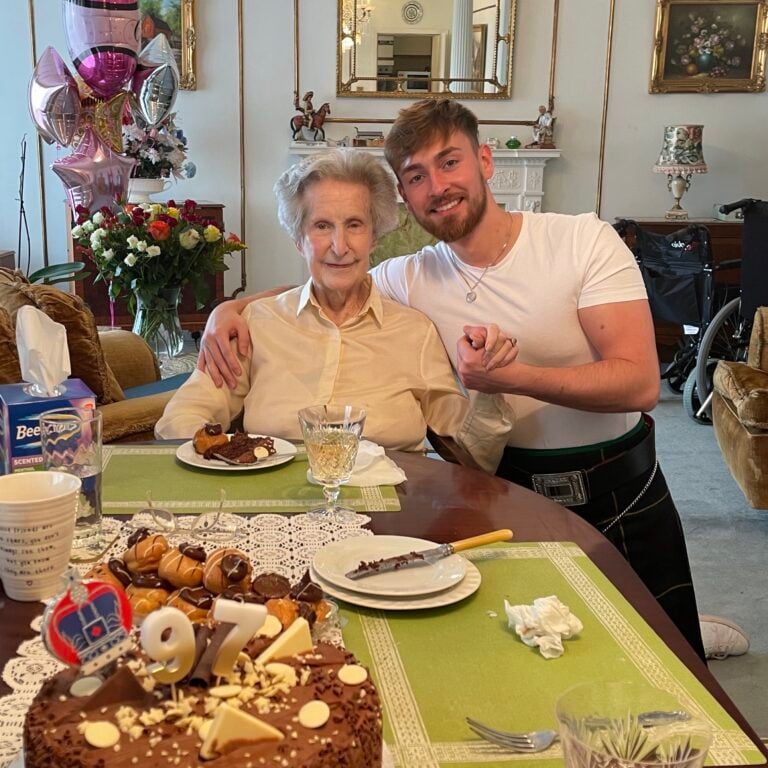
Care at home instead of a move out of the village
Live-in care puts a carer in the house so someone can stay in their own home in Cuckfield. People here tend to stay put, which is why most families ring us hoping to avoid a residential place in Burgess Hill rather than to arrange one.
Continuity is the part we guard hardest. One carer, kept in place for as long as the arrangement holds, and a manager who knows the Cuckfield end of Mid Sussex rather than a call centre in another county. We have worked that way since 1997, from an office in Brighton and Hove about half an hour down the road.
Words from families who know our care firsthand
Live-in care services, from personal care to dementia support
The job stretches or narrows to fit the household. If you are not yet sure which arrangement suits, working out which type of care fits the situation is the place to start.
Personal care
Washing, dressing, continence and moving about the house, at the person’s own pace. Steep stairs and narrow landings are usually where a carer’s day starts in houses like these.
Companionship
Living in means your carer is there for the cup of tea and the chat, the walk to the high street, and keeping up with the groups and neighbours that make staying in the village worth it.
Medication reminders
Your carer prompts and dispenses at the right times and notices how someone is day to day, working alongside your GP and the community nursing team.
Alzheimer's disease & dementia care
Memory loss is easier to live with when the house, the routine and the face across the table stay the same. Our carers are trained for it.
Palliative care
Where someone wants to stay at home to the end, your carer covers comfort and personal care through the day and night while district nursing and hospice at home teams handle the clinical side.
Household chores and assistance
Laundry, meals and keeping the house going. Thin bus links put the shopping run on the carer too, here and toward Hurstpierpoint, so a driver helps.

Why Cuckfield households pick us over a call centre
Plenty of live-in care in this area is booked through national agencies that pull a name off a database and run the file from somewhere else entirely. We have worked the other way round since the day we started. Somebody comes to the house, you meet the carer before a date is set, and the manager on your case is a person you can ring and ask for by name.
- Rated Outstanding in Caring by the Care Quality Commission, a mark very few providers in the country hold
- Enhanced DBS checks on every carer, with training that carries on for as long as they work with us
- No stranger on the doorstep. You read a written profile and speak to the carer before anyone agrees a start date
- The care plan follows the actual day, not a template, and it moves when health does
- We already talk to the clinical teams here, from the village surgery to community nursing and the discharge staff at the Princess Royal
- A village placement is its own job. A house out toward Ansty or Balcombe needs a driver and a plan for the weekly shop in a way a town flat never does
- Cover is arranged, not improvised. Holidays and breaks are booked ahead with a carer you have already met, and a case manager checks in between times
What stays the same when care comes to you
Cottage on the high street, bungalow on a quiet lane, farmhouse out past Staplefield: none of it has to be given up, and the advantages of live-in care reach further than the house itself.
Familiar rooms do real work once memory or mobility starts going.
One person learning your mother’s habits, instead of a fresh face on every shift.
The dog, the borders, the Thursday crossword, all still there.
No sign-in book, no set hours. Grandchildren can turn up on the way home from school.
Same surgery, same pharmacy, same faces. Residential beds turn up where there is space, not where your family lives.
Couples see the widest gap, since one rate covers both.
Not every situation needs a carer living in
Three arrangements get spoken about as though they were one, and the nights are what separate them.
- One carer living in. Where nights are mostly quiet, this covers everything, and live-in and 24-hour care amount to the same thing. Scheduled breaks, their own room, up when needed.
- Two carers in rotation. For anyone needing attention with no gaps at all, rather than one carer stretched thinner.
- A few visits a day. When the days run fine and it is an hour in the morning and another at bedtime, visiting care does the job, in the village and over in Hassocks alike. Further out it means somebody driving to you several times a day, whatever the weather is doing.
Ask us which one fits
Ten minutes on the phone usually settles it. If you would rather read first, the basics of the arrangement are worth a look, and we will post a printed brochure to go through at the kitchen table.

How a placement comes together
Where things are urgent, after a fall or a discharge that lands with no notice, we can move inside a few days. Where they are not, nobody is rushed.
- A first conversation. Phone, message or a callback booked for a time that suits. We answer what we can, ask what we need, and tell you what happens next.
- A visit to the house. Richard Barnett, our Registered Manager, or Nastasha, our Field Care Supervisor, comes out in person. Beyond the medical picture they note what no form asks about: parking, the pharmacy run, whether the stairs are going to be a problem.
- You pick the carer. Written profiles come to you, questions get answered, and the decision is yours. For addresses scattered across Mid Sussex we shortlist carers who drive.
- Settling in. The carer arrives on the agreed day, and Daisy, our Care Coordinator, keeps in contact across that first week while the household finds its rhythm.
- Someone keeps an eye. A case manager reviews how it is going, and senior management review the case managers. That second layer is the one most agencies leave out.
Live-in care costs, no phone call needed
One carer in the house, one to one, around the clock. Nothing hourly, nothing added later.
- One person from £1,190 a week
- A couple sharing the house from £1,476 a week
- Waking-night cover quoted case by case
Couples pay once between them, not twice over for two residential places outside the village. Sleeping nights suit most households here, while waking nights cost more and bite hardest in detached houses where nobody is through the wall to hear anything. For an hour or two a day instead, visiting care across West Sussex is charged hourly and lands well below these figures.


Funding you may not realise you can claim
Publicly funded and privately funded arrangements are both fine by us, and we will talk you through what might apply.
- NHS Continuing Healthcare. We are experienced in supporting NHS Continuing Healthcare (CHC) funded care packages, which can meet the whole cost where clinical needs are significant.
- Local authority funding. West Sussex County Council may put something in following a means-tested assessment.
- Direct Payments. The council’s contribution paid to you instead of to a provider, leaving the choice of who delivers the care with you.
- Attendance Allowance. Savings and income are irrelevant to it, which is why it is worth claiming even though it will not cover a weekly rate by itself. Routinely missed.
Call before you've worked out what you need
Nearly everyone who rings is partway through a difficult fortnight. A fall, a letter from the hospital, a parent who has stopped managing and said nothing about it.
Almost nobody is certain whether they want a carer living in, a couple of visits a day, or something else again. Describe the situation and we will tell you what we honestly think, including when the answer is that nothing needs changing yet. No scripts, no pressure to decide on the call.
Homepage form
"*" indicates required fields
Questions we hear from Cuckfield households
Our cottage only has a small spare room. Is that enough?
Usually, yes. A single room with space for their things and somewhere to sit off duty is the requirement, not a guest suite. Plenty of placements here run in third bedrooms barely wider than the bed.
How fast can care start after a discharge from the Princess Royal?
Inside 48 to 72 hours when it is urgent, and we know the wards at Haywards Heath. Call when a date is first mentioned rather than once it is confirmed.
Do you cover Lindfield, Ansty and the smaller villages?
Yes, along with Bolney, Staplefield and Balcombe. For addresses down a lane we shortlist carers who drive, since the nearest shop is rarely walkable.
My parent is in Cuckfield and i'm in London. How does that work?
One case manager handles the file, so you are not re-explaining things to whoever picks up. Most families settle into a weekly update by phone or email, with the train down for weekends.
Can we try a short placement before looking at care homes?
Yes, and a fair few families do exactly that. A few weeks after a hospital stay, or while someone is away, shows whether the house works for it before anyone commits to a move out of the village.